- Home
- Resources
Read first, then call.
Everything we wish homeowners, property managers and contractors knew before the ground gets opened. Written by the crew, specific to the Kitsap Peninsula, and long enough to actually answer the question.
Leak Detection
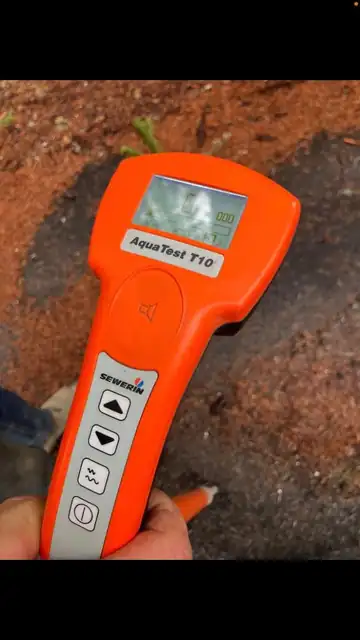
How Underground Water Leak Detection Works
A plain-language explanation of acoustic ground microphones, leak noise correlators and pipe locating, and how they find a buried water line break without digging.
Signs of an Underground Water Leak on Your Property
The eight most common signs that the buried water line between your meter and your house is leaking, including the ones that show up with no puddle anywhere.
How to Read Your Water Meter to Check for a Leak
A five-minute test using the low-flow indicator on your water meter to tell whether you have a leak and whether it's on the buried service line or inside the house.
Why Your Water Bill Is Suddenly High, and How to Find Out Where the Water Went
A working checklist for a surprise water bill in Kitsap County: meter test, house isolation, irrigation, toilets, wells, and when the answer is a buried service line leak.
Who Is Responsible for a Leaking Water Line: You or the Utility?
Where the utility's responsibility ends and the homeowner's begins on Kitsap County water systems, including city utilities, water districts, Kitsap PUD and private wells.
Well Pump Cycling Constantly? How to Tell a Buried Line Leak From a Pump Problem
For Kitsap homes on private wells: how to separate a leaking buried water line from a failing pump, check valve or pressure tank before anyone digs or replaces anything.
How to Find a Leak in a Buried Irrigation System
Mainline versus lateral leaks, how to isolate the irrigation from the house, and how acoustic locating finds a break without digging up the lawn.
Slab Leaks Explained: Finding a Water Line Leaking Under Concrete
What a slab leak is, how it shows itself in a garage, basement or commercial lower level, how it's located through the concrete, and when re-routing beats repairing.
What Affects the Cost of Finding and Fixing an Underground Leak
The factors that drive the scope of a leak locate and repair in Kitsap County: line length, depth, soil, surface, pipe material, access and groundwater.
Leak Detection and Water Line Glossary
Plain definitions of the terms you'll hear from a leak detection and excavation crew: correlator, ground microphone, service line, hardpan, HDPE, polybutylene, footing drain and more.
Why We Locate First and Dig Once: The 360 Leak Finders Process
How a leak detection and repair job runs from the first phone call to the last rake stroke, and why doing the whole thing in-house with our own excavator changes the outcome.
Septic or Water Line? Telling Them Apart When the Yard Is Wet
On rural Kitsap lots the water line and the septic system share the yard. How to tell which one is the source of a wet spot, and why it matters who you call.
Isolating Irrigation and Backflow Assemblies for a Clean Leak Test
Where the irrigation tees off, how to shut it down for a meter test without draining the system, and what a backflow assembly is for.
Inside or Outside? The One Test That Tells You Where a Water Leak Is
The meter test, done twice, separates a leak on the buried service line from one inside the house. What each result means and what to do next.
Signs of a Water Line Leak Inside the House
The ways a supply line leak shows itself in walls, ceilings, crawlspaces and slabs, which ones are supply leaks and which are something else, and what to check before opening anything.
How Interior Leak Detection Works: Thermal, Acoustic and Moisture
The instruments used to find a supply line leak inside a building without opening walls: isolation and gauges, acoustic sensors, thermal imaging and moisture meters, and how they're combined.
Water Lines
Polybutylene Water Lines in Kitsap Homes: What They Are and Why They Fail
Gray polybutylene service lines were installed across Silverdale, Port Orchard, Kingston and Poulsbo subdivisions from the late 1970s to the mid 1990s. Here's how to recognize them and why replacement, not repair, is the usual answer.
Galvanized Steel Water Lines: Why Bremerton's Older Homes Keep Leaking
Galvanized service lines from the 1940s and 50s are still in the ground under Bremerton, Keyport, Poulsbo, Port Townsend and other older Kitsap neighborhoods. How they fail, how to recognize them, and what to do.
PEX vs HDPE vs Copper for Buried Water Service Lines
Which pipe material belongs underground in Kitsap County's clay and till, and why continuous flexible pipe with no buried joints wins.
Repair or Replace? Deciding What to Do With a Leaking Water Service Line
The honest framework for choosing between a spot repair and a full replacement of a buried water line: material, failure history, run length and what the pipe looks like when the ground is open.
How Deep Are Water Lines Buried in Washington State?
Burial depth for water service lines on the Kitsap Peninsula: frost protection, surface loads, utility requirements, and why old lines are often far shallower than they should be.
Call Before You Dig: What 811 Marks in Washington, and What It Doesn't
Washington's one-call law requires a locate request before excavation. Here's what the utility locators mark, what they don't, and why the private water line on your property is your responsibility to find.
Tree Roots and Buried Water and Drain Lines on Wooded Kitsap Lots
How fir, cedar, maple and laurel roots damage buried pipe, which lines are vulnerable, and how to repair or route around a root zone.
Cold Snaps and Buried Water Lines on the Kitsap Peninsula
Puget Sound winters are mild until they aren't. How shallow lines, exposed points of entry and well houses fail in a hard freeze, and what to do before and during one.
Diagnosing Whole-House Pressure Loss: Leak, Restriction or Valve
A step-by-step for low water pressure at every fixture: ruling out valves and regulators, using the meter test to separate a leak from a corroded line, and what each answer means for the fix.
How Big Should a Replacement Water Service Line Be?
Why most Kitsap homes are fine on a one-inch line, when a larger line or a separate irrigation feed makes sense, and why the utility's meter size is part of the answer.
When a House Needs a Repipe, and What One Involves
Which supply materials are at the end of their life in Kitsap homes, how to tell whether a house needs a whole-house repipe or a repair, and what the work looks like from survey to patched walls.
Licensed, Bonded and Insured: What It Means for Water Line Work in Washington
What a Washington contractor registration, a bond and liability insurance actually cover, how to verify them on the L&I site, and why interior water line work needs a licensed plumber.
Drainage
Why Your Crawlspace Is Wet Every Winter: The Kitsap Checklist
The five usual causes of a wet crawlspace on the Kitsap Peninsula, in the order they should be checked: downspouts, grading, footing drains, groundwater from above, and a leaking water line.
Footing Drains Explained: How They Work, Why They Fail, and How They're Replaced
The perforated drain at the base of your foundation is the most important pipe you've never seen. What it does, why Kitsap footing drains silt shut, and what a proper replacement looks like.
French Drains That Actually Work in Clay and Till
Why most French drains in Kitsap County fail within a few years, and the design rules that make one last: outlet first, true grade, fabric, clean rock and the right placement.
Downspout Drainage: Getting Roof Water Away From the Foundation
How much water a roof sheds, where it should go, how buried downspout lines fail, and the right way to replace or install them.
Clay Tile, Corrugated Pipe and Other Exterior Drain Lines That Fail
The drain materials under older Kitsap homes, how each one fails, how a failed exterior drain is diagnosed without a camera, and what replacement looks like.
A Season-by-Season Checklist for Kitsap Water Lines and Drains
What to look at in fall before the rains, in winter during a freeze, in spring when the ground thaws and the bill arrives, and in summer when leaks show as green stripes.
Emergencies
What to Do When a Buried Water Line Breaks: The First 30 Minutes
Step-by-step for a water line emergency on your property: shut off the water, protect the house, keep people clear, and what to tell the crew on the phone.
How to Find and Shut Off Your Water Main
Where the main shutoff is on Kitsap homes, how to turn it, what the meter valve is for, and how to shut off a well system.
Kitsap Ground & Water
Kitsap County Soils and Why They Make Underground Leaks So Hard to Find
Glacial till, hardpan, outwash, Kitsap Formation clay and peat: the ground under the peninsula, community by community, and what each one does to a leaking pipe.
Who Supplies Your Water in Kitsap County, and What That Means When It Leaks
A community-by-community guide to the city utilities, water districts, Kitsap PUD systems, tribal utilities and private wells on the peninsula, and where each one's responsibility ends.
Sinking Driveways and Sudden Holes: What's Washing Out Underneath
Why a gravel or paved driveway on the Kitsap Peninsula develops a soft spot, a dip or an open hole, how to tell a leaking line from a collapsed drain, and what to do before anyone fills it.
Bluff and Hillside Lots: Leaks, Seeps and Drainage on Kitsap's Slopes
For homeowners on the slopes above Sinclair Inlet, Dyes Inlet, Rich Passage, Port Orchard Bay, Agate Pass and Bainbridge's shorelines: how to tell a seep from a leak, why slope lots need curtain drains, and how excavation on a slope is done without creating an erosion problem.
Buying a Kitsap Home: The Water Line and Drainage Checklist Inspectors Skip
What to look at, ask for and test before closing on a home on the Kitsap Peninsula: service line material, meter test, well line, footing drain outlet, downspouts, and the private utility locate nobody provides.
Property Managers
A Property Manager's Guide to Underground Water Leaks at Condos, Apartments and HOAs
For boards and managers in Kitsap County: how master-meter losses are confirmed, how private mains between buildings are traced and located, how emergencies are handled around residents, and what documentation to expect.
How a Commercial Water Main Emergency Is Handled Overnight
A walk-through of an after-hours main break at a multi-family property: securing the site, pumping, locating, excavating under lights, restoring water, and the morning after.
Documentation for a Buried Line Repair: Utility Adjustments, Insurance and HOA Records
What a written leak detection and repair report should contain, how to use it for a utility bill adjustment, what insurers and HOA boards typically want, and why photos of the exposed pipe matter.
Aging Private Water Mains at Condos and HOAs: Planning Ahead of the Next Break
How an HOA or property manager in Kitsap County can assess private mains between buildings, decide between reactive repairs and planned replacement, and what to put in the reserve study.
Inside a Commercial Building's Water System: Risers, Mains, Loops and Where They Fail
For owners and managers: how supply water moves through a commercial or multi-family building, the usual failure points by material and age, and how interior leaks are found and fixed with the building in use.
Still have the question?
Call and ask. We'd rather talk you out of an unnecessary dig than sell you one.