Underground Water Leak Detection
Acoustic and correlator leak detection that pinpoints a buried water line break before anyone digs.
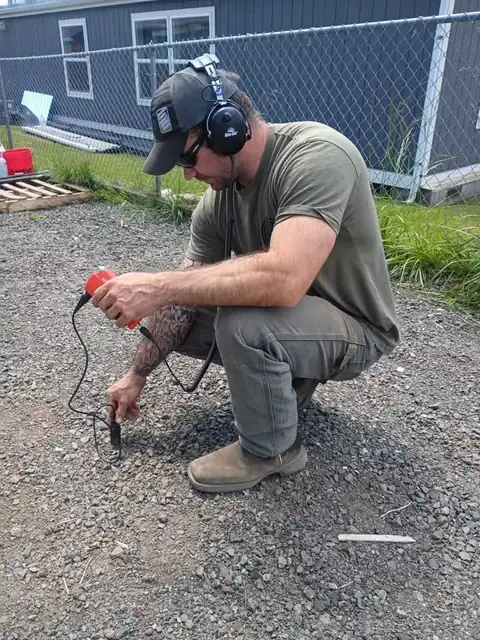
An underground water leak is the one plumbing problem you cannot see. The pipe is buried two or three feet down under a lawn, a driveway or a garden bed, it is under constant pressure, and when it fails the water goes into the soil first. In Kitsap County's glacial till and clay that water can travel a long way before it surfaces, and in the sandy outwash around Silverdale, Poulsbo and Kingston it may never surface at all. What you get instead is a water bill that jumps, a meter that spins with everything shut off, a well pump that won't rest, a crawlspace that is suddenly damp, or a patch of grass that stays green through August.
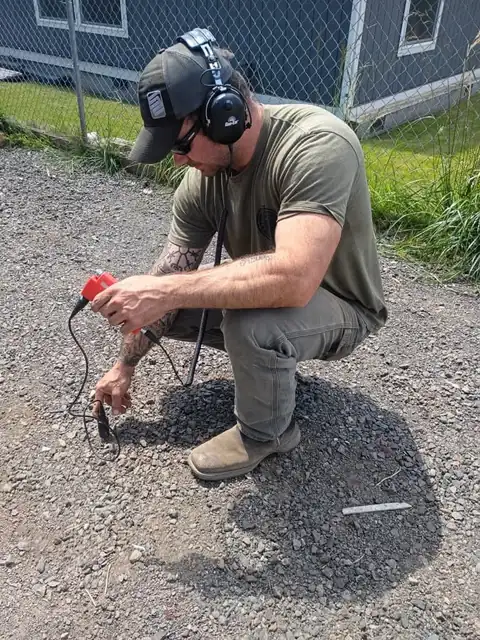
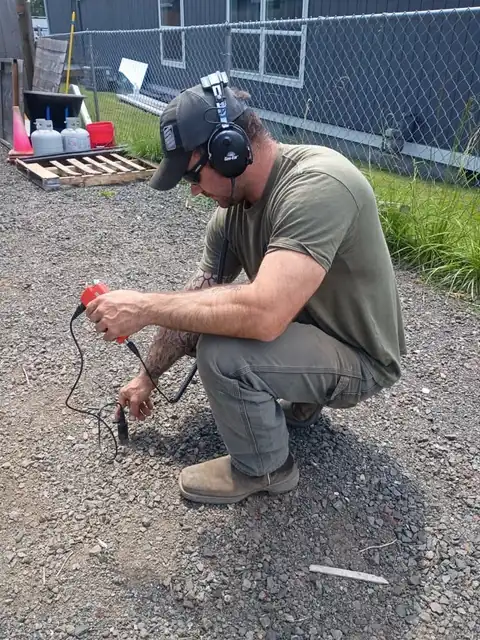
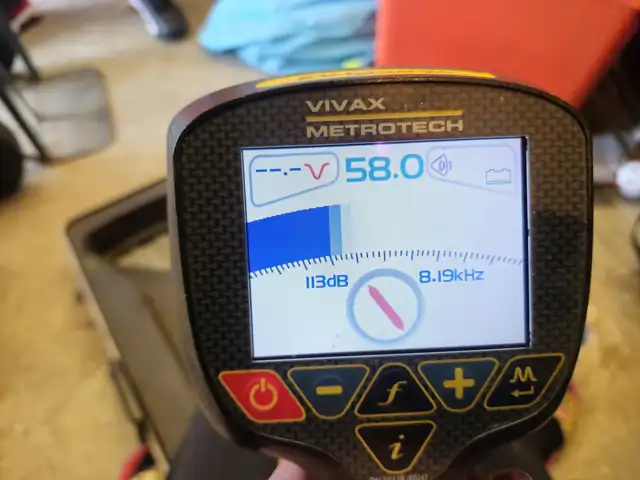
360 Leak Finders exists to find that break without turning your yard into a trench. Our technician uses electronic acoustic equipment, a ground microphone that listens for the sound of pressurized water escaping the pipe, and a leak correlator that places sensors at two points on the line and calculates where between them the leak is from the time difference in the sound. Together they put the break within a couple of feet. We mark it, we confirm it, and then the digging happens in one place.
We locate on every kind of system in the county: city water from Bremerton, Port Orchard, Poulsbo or Bainbridge Island, district water from Silverdale Water District, West Sound Utility District or Manchester Water District, Kitsap PUD systems from Hansville to Olalla, and private wells where the only sign of a leak is a pump that cycles all night. The utility's job ends at the meter. The private line from the meter or well house to your house is yours, and it's the line we find leaks on.
Because we also excavate and repair, locating is never the end of the job for us. The same crew that marks the leak opens the ground, replaces the failed section or the whole line, beds it in clean gravel, backfills, compacts and puts your lawn or driveway back. You make one call. If you'd rather have your own contractor do the repair, we'll mark the spot and hand you a clear report.
We answer the phone 24 hours a day because leaks don't keep business hours, and a main line that has let go at midnight is losing water and undermining your foundation while you wait for morning. Call (206) 354-9906.
When you need underground water leak detection
- A water bill that climbs with no change in how you use water
- The meter's leak indicator or low-flow dial moving with every fixture closed
- A well pump that cycles constantly or a pressure tank that won't hold
- A soft, spongy or unusually green patch of lawn, often downhill of the house
- Water surfacing at a retaining wall, bulkhead or the edge of a driveway
- A sudden drop in water pressure at the fixtures farthest from the meter
- Damp soil or standing water in a crawlspace with no plumbing nearby
- A sinking or heaving spot in a gravel or paved driveway over the line
How the job goes
- Confirm there is a leak. We start at the meter or the well pressure tank. With every fixture closed we watch the low-flow indicator, or we isolate the house at the main shutoff and compare. This tells us whether the loss is on the buried service line or inside the house, and roughly how big it is.
- Trace the line. A surprising number of Kitsap homes have no drawing of where the service line actually runs. We trace it with pipe and cable locating equipment from the meter to the point of entry so we're listening along the real route, not the one somebody guessed at.
- Listen. With the acoustic ground microphone we walk the traced line, listening at intervals for the hiss and rush of water escaping under pressure. Soil type, depth and pipe material all change the sound, and reading those differences is where experience matters.
- Correlate. On longer runs we place correlator sensors at two accessible points, usually the meter and the house shutoff. The correlator measures the time it takes the leak noise to reach each sensor and calculates the position of the break along the pipe between them.
- Confirm and mark. We pinpoint with the ground microphone at the correlated position, sometimes probe-check with a thin rod to find the saturated zone, and mark the spot with paint and flags. You get a clear answer: here, this deep, this is what we expect to find.
- Repair, if you want us to. Most customers do. We open the ground at the mark with hand tools or the mini excavator, expose the break, repair or replace the line, bed and backfill, and restore the surface.
Equipment and materials
- Electronic acoustic ground microphone
- Leak noise correlator
- Pipe and cable locator
- Pressure gauges and isolation fittings
- Probe rods and marking paint
What shapes the scope
Every property is different, and these are the things that decide whether a job is a quick morning or a full day. We'll tell you which it is before we start.
- Length of the service line between the meter or well and the house
- Whether the line's route is known or has to be traced first
- Pipe material, since poly and PEX carry leak noise differently than copper or steel
- Depth of the line and the soil type over it
- Background noise from traffic, pumps or a nearby creek
- Whether the leak is on a pressurized line or a gravity drain, which needs a different method
Underground Water Leak Detection on real Kitsap jobs
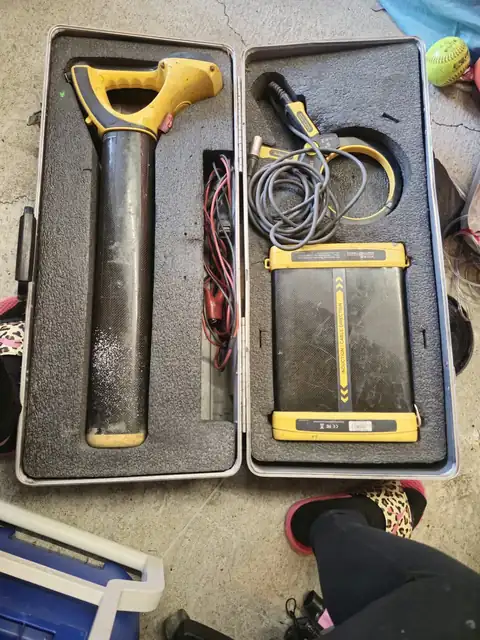
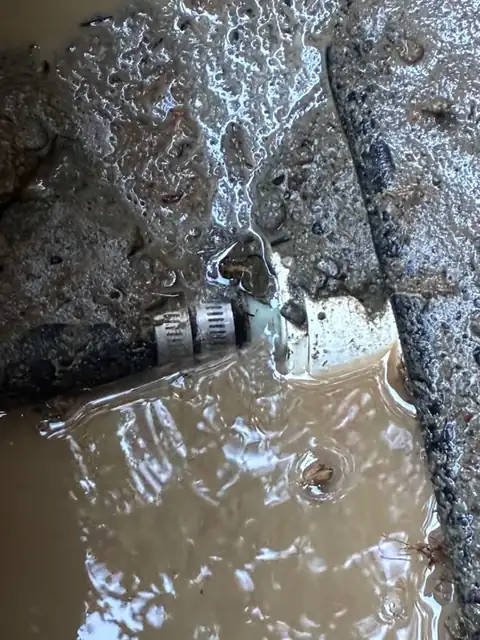
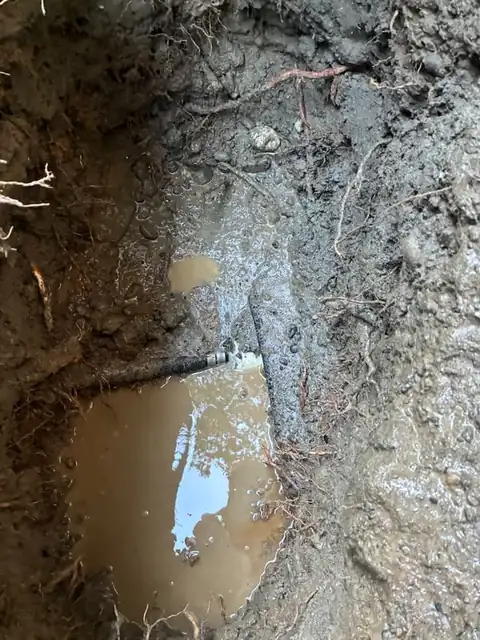
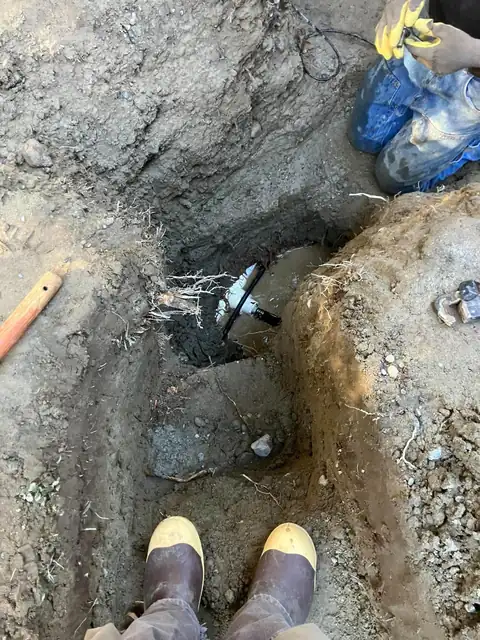
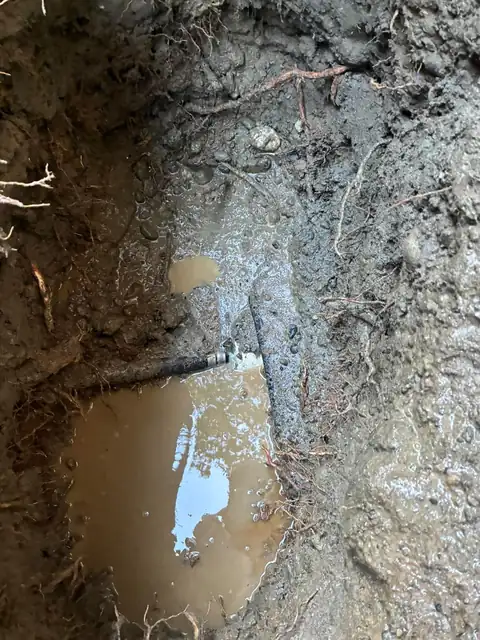
Underground Water Leak Detection across the peninsula
Each community page covers what the local ground, water utility and housing stock mean for this work.
Underground Water Leak Detection in Bremerton
The shipyard city's older galvanized lines fail quietly and show up as a wet lawn or a water bill nobody can explain.
Underground Water Leak Detection in Silverdale
The 1980s and 90s subdivision boom around the mall left thousands of polybutylene service lines that are now failing on schedule.
Underground Water Leak Detection in Port Orchard
The county seat's hillside lots and clay soils turn small leaks into slope problems, and long rural runs hide breaks for months.
Underground Water Leak Detection in Poulsbo
Little Norway's mix of century-old downtown lines and fast-draining bay-side outwash means leaks hide well and fail suddenly.
Underground Water Leak Detection in Bainbridge Island
Clay soils and 500-foot driveways make island leaks slow to surface and expensive to guess at, which is why we locate before we dig.
Underground Water Leak Detection in Kingston
Ferry-town acreage with long wooded service runs where a leak can hide under hardpan for an entire winter.
Underground Water Leak Detection in Keyport
A century-old Navy village with short lots, old lines and shoreline clay that keeps everything damp.
Underground Water Leak Detection in Tracyton
Bluff-side lots over Dyes Inlet where seeps and springs make it easy to mistake groundwater for a leak and vice versa.
Underground Water Leak Detection in Hansville
Beach cabins at the tip of the peninsula with shallow lines, high water tables and a long drive for anyone who isn't already in Kitsap.
Underground Water Leak Detection in Indianola
A century-old summer colony where shared lines, easements and bluff clay make leaks a neighborhood puzzle.
Underground Water Leak Detection in Suquamish
Two utilities, mixed-era housing and Agate Pass shoreline clay in the heart of the Port Madison reservation.
Underground Water Leak Detection in Manchester
Rich Passage waterfront lots where the service line runs downhill and every leak finds the beach.
Underground Water Leak Detection in Enetai
East Bremerton's bluff-side neighborhood where mid-century copper lines fail on slopes that drain toward the bay.
Underground Water Leak Detection in Lofall
Rural acreage between Poulsbo and the Hood Canal Bridge where well lines run hundreds of feet through hardpan.
Underground Water Leak Detection in Olalla
Well country at the south end of Kitsap where a leaking line shows up as a pump that won't shut off.
Underground Water Leak Detection in Seabeck
Hood Canal forest parcels where boulders, hardpan and long well lines make guessing at a leak an expensive mistake.
Underground Water Leak Detection in East Port Orchard
South Kitsap's 1970s and 80s subdivisions where copper and poly lines are reaching the end of their run.
Underground Water Leak Detection in Rollingbay
The northeast corner of Bainbridge where clay slopes, long drives and small community systems keep leaks hidden for seasons.
Underground Water Leak Detection in Port Townsend
A Victorian seaport where 1890s service lines sit under historic sidewalks and the gravity pipeline from the Quilcene delivers the water.
Underground Water Leak Detection: common questions
Will you have to dig to find the leak?
How accurate is the locate?
Can you find a leak on a private well line?
The water is surfacing in my yard. Isn't that where the leak is?
Do you handle the repair too?
Services that often go together
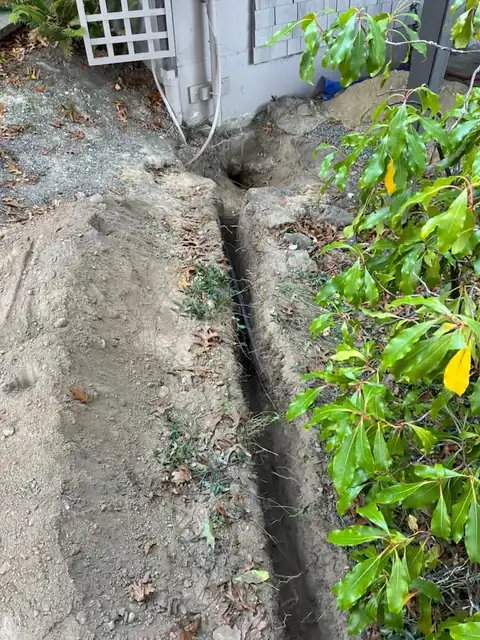
Water Line Repair
Spot repair of a broken or leaking underground water service line, from excavation to restoration.
Read more →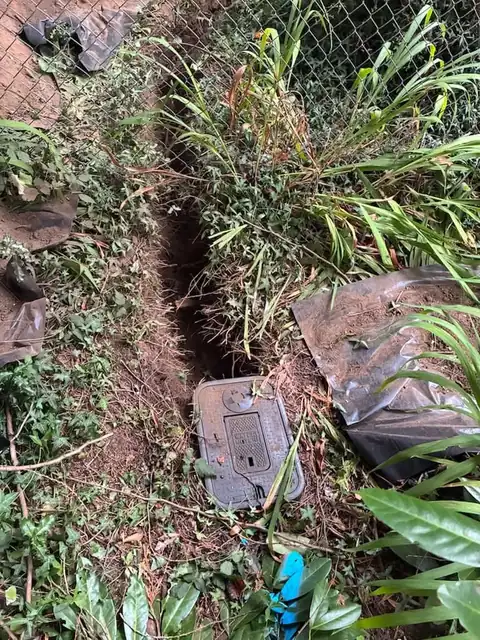
High Water Bill Leak Investigation
Find out where the water on a surprise bill is actually going, and fix it if it's a buried leak.
Read more →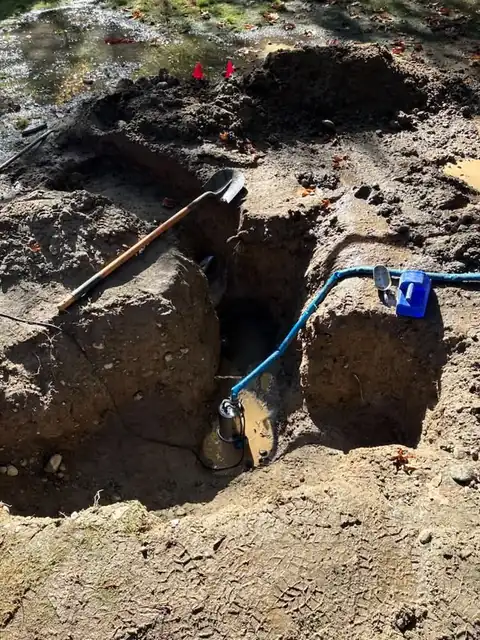
Well Water Line Leak Detection
Leak detection and repair on private well systems where the only warning is a pump that won't shut off.
Read more →Something underground isn't right?
We answer 24 hours a day. We locate before we dig, and we handle the whole job with our own crew and equipment.