- Home
- Commercial
- HOA & Commercial Irrigation Main Leak Detection
HOA & Commercial Irrigation Main Leak Detection
Locating leaks on the large irrigation mains and valve networks that run across HOA common areas, retail centers and campuses, and that quietly run the master meter all season.
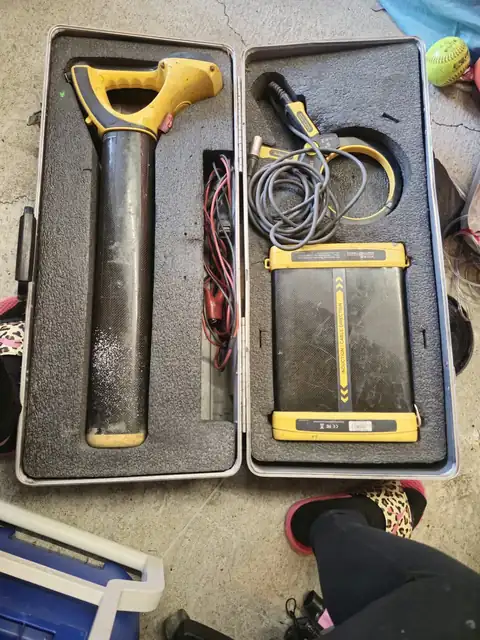
Commercial irrigation systems are big, old and invisible. A condominium complex's common areas or a retail center's landscape islands are fed by a mainline that's under pressure all season, dozens of valves in boxes nobody opens, and laterals that have been hit by mowers, edgers and utility work for decades. A cracked mainline or a valve weeping from its diaphragm runs the master meter twenty-four hours a day, and because the landscape is being watered anyway, nobody sees a wet spot. The bill just goes up.
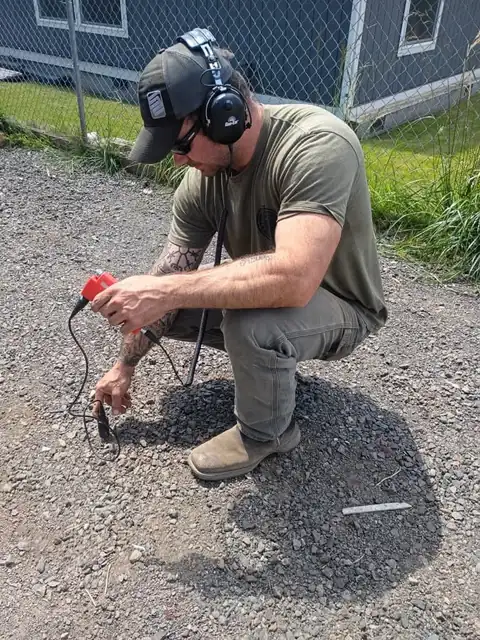
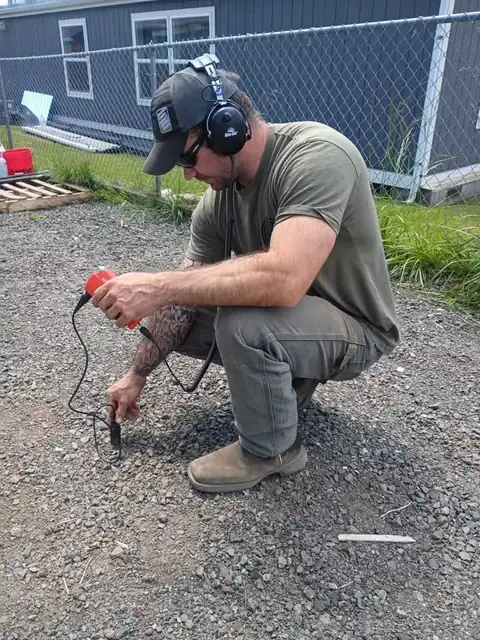
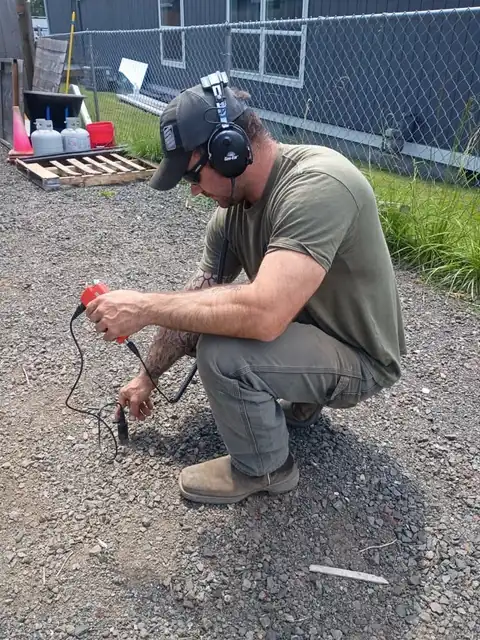
We separate irrigation from everything else first: the irrigation isolated at its backflow assembly, the master meter re-read, the loss attributed. Then we trace the mainline and the valve network, which on most sites produces the first drawing of the system anyone has seen, and locate acoustically along the pressurized main with a correlator across the long runs. Valve boxes are checked one by one, because a weeping valve is the leak more often than a broken pipe. Laterals are tested zone by zone with the zone running.
Repairs on irrigation are usually quick: a cut-and-couple on the main, a rebuilt or replaced valve, a lateral fitting. A mainline that's failing in several places is better replaced than chased a break at a time, and we'll say so. The landscape contractor who maintains the system is welcome to do the repair from our locate; the point is that it happens at the marked spot and the leak actually stops.
When a property needs this
- A master meter that runs all night during irrigation season
- A landscape area that's always wet or a valve box full of water
- Weak zones or heads that won't rise at the far end of the system
- An irrigation system with no drawing and a manager who needs one
- A high summer bill that the buildings don't explain
How the job runs
- Isolate and attribute. Irrigation shut at the backflow assembly, the master meter re-read, and the loss assigned to irrigation or the domestic system.
- Trace. The mainline, valve boxes and controller wiring traced and mapped.
- Locate the main. Acoustic detection with a correlator across the pressurized main between access points.
- Check the valves. Each valve box opened and the valve checked for weeping and stuck-open conditions.
- Test the laterals. Zones run one at a time and walked for breaks, with the ground microphone where needed.
- Repair. Cut-and-couple, valve rebuild or replacement, or a mainline replacement proposal where the system is beyond patching.
What the owner or board receives
- Attribution of the loss to irrigation or domestic
- Map of the mainline and valve network
- Located breaks and failed valves
- Repair or replacement proposal
- Written report for the board or owner
What shapes the scope
- Size of the system and number of zones
- Whether a backflow and isolation valve exist
- Age and material of the mainline
- Whether drawings exist
Commercial work, as it actually looks
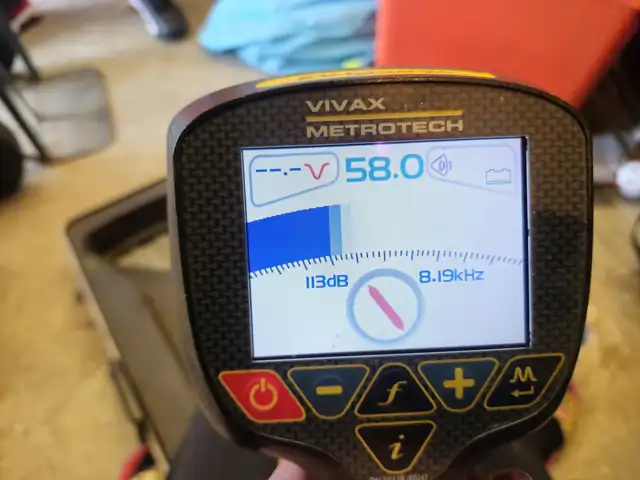
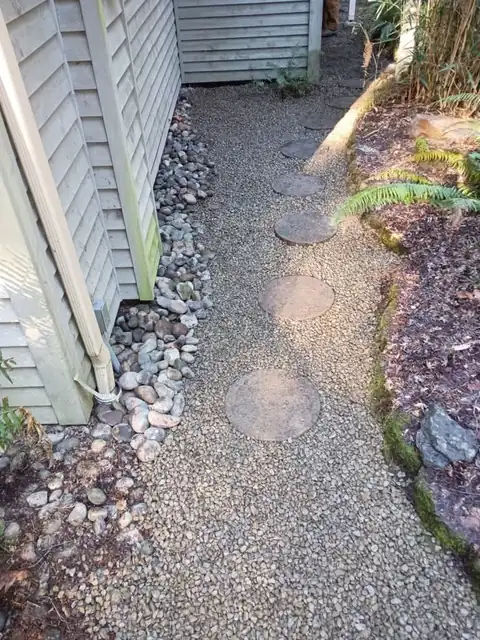
HOA & Commercial Irrigation Main Leak Detection across the peninsula
Bremerton
The shipyard city's older galvanized lines fail quietly and show up as a wet lawn or a water bill nobody can explain.
Silverdale
The 1980s and 90s subdivision boom around the mall left thousands of polybutylene service lines that are now failing on schedule.
Port Orchard
The county seat's hillside lots and clay soils turn small leaks into slope problems, and long rural runs hide breaks for months.
Poulsbo
Little Norway's mix of century-old downtown lines and fast-draining bay-side outwash means leaks hide well and fail suddenly.
Bainbridge Island
Clay soils and 500-foot driveways make island leaks slow to surface and expensive to guess at, which is why we locate before we dig.
Kingston
Ferry-town acreage with long wooded service runs where a leak can hide under hardpan for an entire winter.
Keyport
A century-old Navy village with short lots, old lines and shoreline clay that keeps everything damp.
Tracyton
Bluff-side lots over Dyes Inlet where seeps and springs make it easy to mistake groundwater for a leak and vice versa.
Hansville
Beach cabins at the tip of the peninsula with shallow lines, high water tables and a long drive for anyone who isn't already in Kitsap.
Indianola
A century-old summer colony where shared lines, easements and bluff clay make leaks a neighborhood puzzle.
Suquamish
Two utilities, mixed-era housing and Agate Pass shoreline clay in the heart of the Port Madison reservation.
Manchester
Rich Passage waterfront lots where the service line runs downhill and every leak finds the beach.
Enetai
East Bremerton's bluff-side neighborhood where mid-century copper lines fail on slopes that drain toward the bay.
Lofall
Rural acreage between Poulsbo and the Hood Canal Bridge where well lines run hundreds of feet through hardpan.
Olalla
Well country at the south end of Kitsap where a leaking line shows up as a pump that won't shut off.
Seabeck
Hood Canal forest parcels where boulders, hardpan and long well lines make guessing at a leak an expensive mistake.
East Port Orchard
South Kitsap's 1970s and 80s subdivisions where copper and poly lines are reaching the end of their run.
Rollingbay
The northeast corner of Bainbridge where clay slopes, long drives and small community systems keep leaks hidden for seasons.
Port Townsend
A Victorian seaport where 1890s service lines sit under historic sidewalks and the gravity pipeline from the Quilcene delivers the water.
HOA & Commercial Irrigation Main Leak Detection: questions
Our landscaper says the system is fine. Could it still be irrigation?
Something underground isn't right?
We answer 24 hours a day. We locate before we dig, and we handle the whole job with our own crew and equipment.