Water Pressure Dropped and Nobody Knows Why
Pressure that falls at every fixture, or drops when a second tap opens, often means the buried service line is leaking or has narrowed from corrosion.
The shower used to be strong and now it isn't. Or the pressure is fine until someone flushes a toilet and then it collapses. Or the far bathroom has always been weak and it's getting weaker. Pressure problems at a single fixture are usually that fixture. Pressure problems across the whole house, with nothing changed at the utility, point at the buried service line between the meter and the house, and there are two ways that line causes them.
The first is a leak. Water escaping the pipe underground is water that doesn't reach your fixtures, and a big enough leak drops the pressure at every tap, especially the farthest ones. The second is corrosion. Old galvanized steel, common under Bremerton's wartime housing and the historic cores of Poulsbo, Keyport and Port Townsend, rusts from the inside and narrows the bore until the line can't deliver flow, long before it actually leaks. Both show up as the same complaint.
The meter test tells them apart. If the low-flow indicator moves with the house isolated, it's a leak and we locate it acoustically. If the meter is still and the pressure is low everywhere, the line is restricted, and a replacement in continuous PEX or HDPE restores pressure the house hasn't had in decades.
What it usually means
A leak on the service line
Water leaving the pipe underground never reaches the house. The meter moves with the house isolated, and the pressure drop is worst at the farthest fixtures.
Corroded galvanized pipe
Rust builds up inside old steel pipe until the bore is a fraction of its original size. Rusty water after a shutoff is a tell. The meter stays still; the pressure is low everywhere.
A partially closed or failing valve
A main shutoff that was never fully reopened, or a gate valve whose gate has dropped. Worth checking before anything else.
A pressure regulator or well pressure switch
On a regulated system or a well, the regulator or the switch can fail. On a well, pressure that falls and the pump that won't keep up usually means a line leak.
What to check first
- Confirm the main shutoff and any valve at the meter are fully open.
- Check whether the pressure is low at every fixture or just one.
- Do the meter test with the house isolated.
- Look at the pipe at the point of entry: threaded gray steel means galvanized.
When to call
- Pressure dropped suddenly and the meter moves
- Pressure has faded over years and the line is galvanized
- A well pump can't keep up with no obvious reason
- You want the line diagnosed before deciding on replacement
The fix
When it's a buried line or an exterior drain, the fix is underground Water Leak Detection: we locate first, open the ground once, repair or replace, and put the surface back. One crew, 24 hours a day. (206) 354-9906.
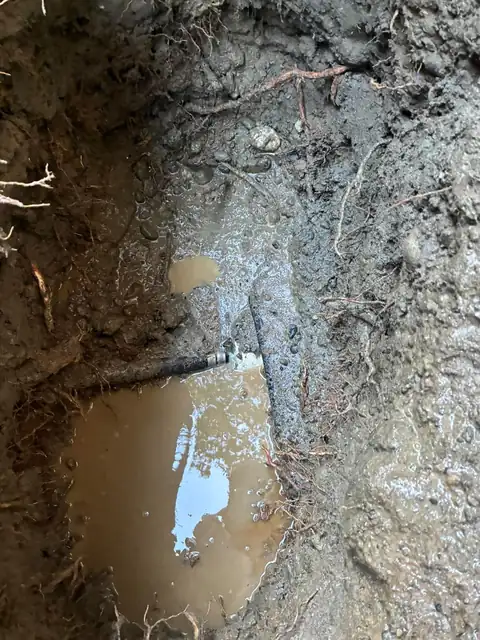
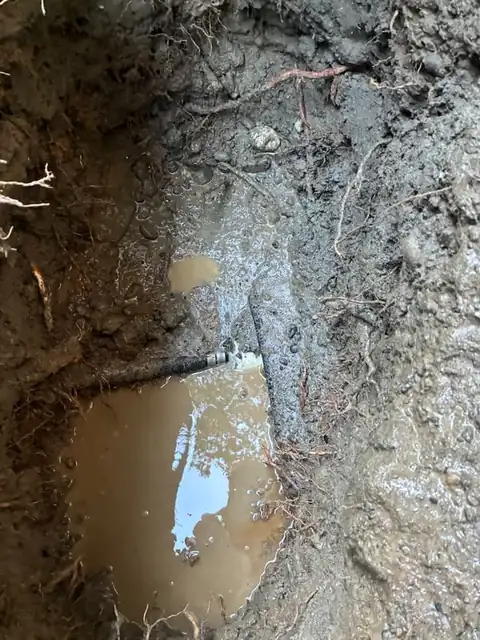
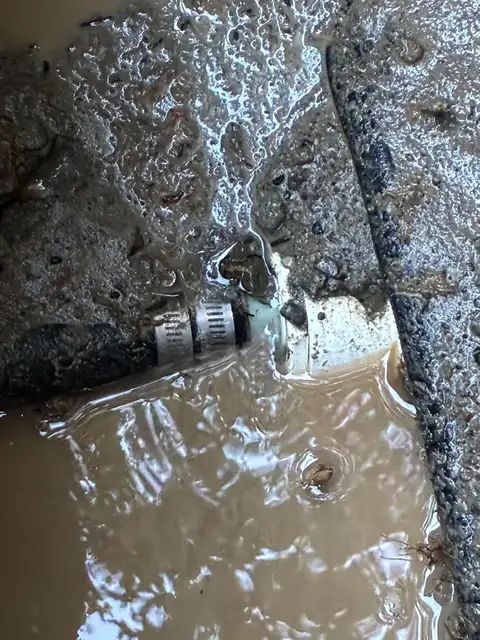
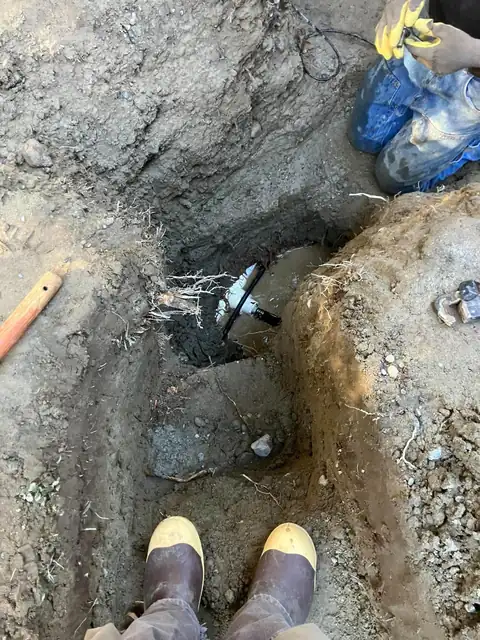
What it looks like when we find it
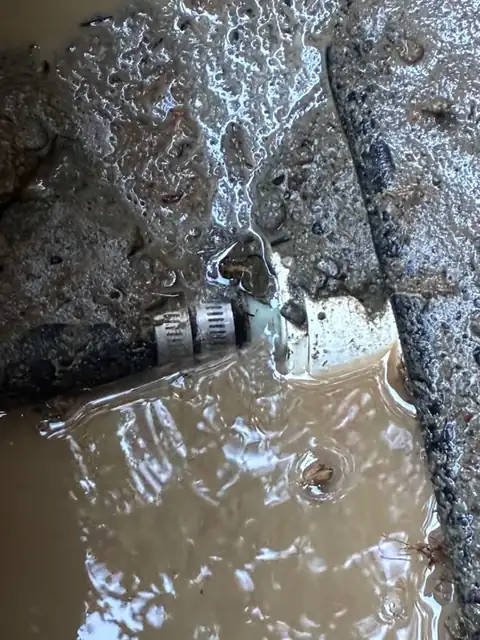
Low water pressure, town by town
The likely causes shift with the ground, the housing era and the water utility. Pick your community.
Bremerton
The shipyard city's older galvanized lines fail quietly and show up as a wet lawn or a water bill nobody can explain.
Silverdale
The 1980s and 90s subdivision boom around the mall left thousands of polybutylene service lines that are now failing on schedule.
Port Orchard
The county seat's hillside lots and clay soils turn small leaks into slope problems, and long rural runs hide breaks for months.
Poulsbo
Little Norway's mix of century-old downtown lines and fast-draining bay-side outwash means leaks hide well and fail suddenly.
Bainbridge Island
Clay soils and 500-foot driveways make island leaks slow to surface and expensive to guess at, which is why we locate before we dig.
Kingston
Ferry-town acreage with long wooded service runs where a leak can hide under hardpan for an entire winter.
Keyport
A century-old Navy village with short lots, old lines and shoreline clay that keeps everything damp.
Tracyton
Bluff-side lots over Dyes Inlet where seeps and springs make it easy to mistake groundwater for a leak and vice versa.
Hansville
Beach cabins at the tip of the peninsula with shallow lines, high water tables and a long drive for anyone who isn't already in Kitsap.
Indianola
A century-old summer colony where shared lines, easements and bluff clay make leaks a neighborhood puzzle.
Suquamish
Two utilities, mixed-era housing and Agate Pass shoreline clay in the heart of the Port Madison reservation.
Manchester
Rich Passage waterfront lots where the service line runs downhill and every leak finds the beach.
Enetai
East Bremerton's bluff-side neighborhood where mid-century copper lines fail on slopes that drain toward the bay.
Lofall
Rural acreage between Poulsbo and the Hood Canal Bridge where well lines run hundreds of feet through hardpan.
Olalla
Well country at the south end of Kitsap where a leaking line shows up as a pump that won't shut off.
Seabeck
Hood Canal forest parcels where boulders, hardpan and long well lines make guessing at a leak an expensive mistake.
East Port Orchard
South Kitsap's 1970s and 80s subdivisions where copper and poly lines are reaching the end of their run.
Rollingbay
The northeast corner of Bainbridge where clay slopes, long drives and small community systems keep leaks hidden for seasons.
Port Townsend
A Victorian seaport where 1890s service lines sit under historic sidewalks and the gravity pipeline from the Quilcene delivers the water.
Questions
Will a new service line fix the pressure?
What fixes it
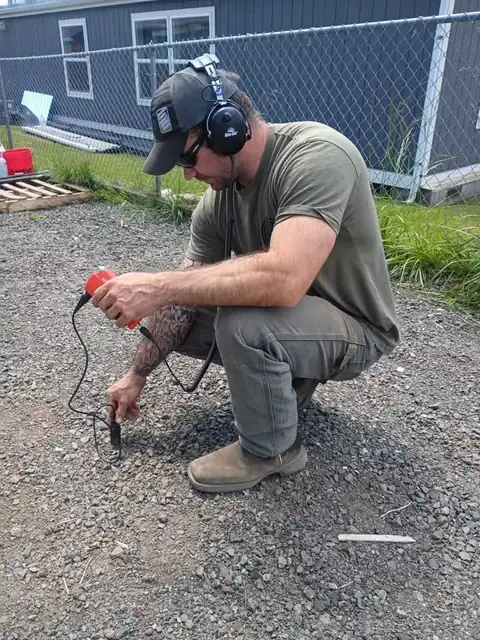
Underground Water Leak Detection
Acoustic and correlator leak detection that pinpoints a buried water line break before anyone digs.
Read more →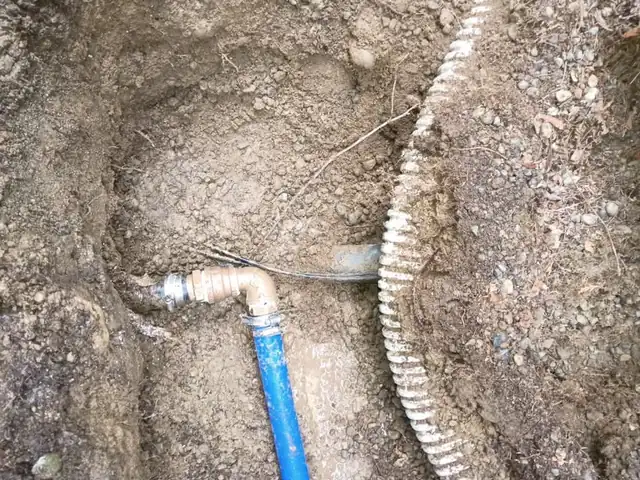
Water Line Replacement
Full replacement of a failed or end-of-life water service line in continuous HDPE or PEX, meter to house.
Read more →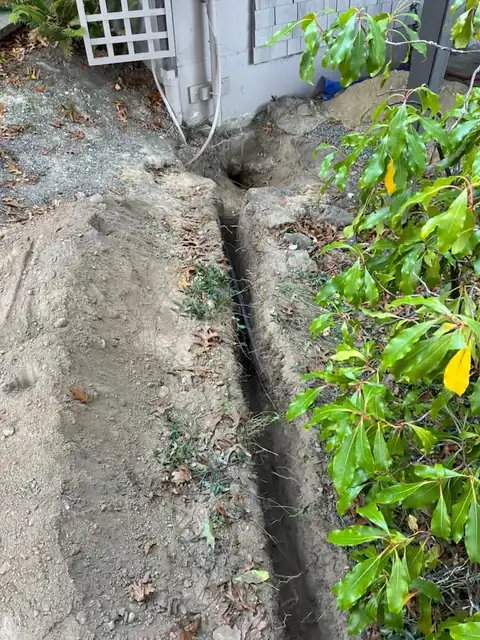
Water Line Repair
Spot repair of a broken or leaking underground water service line, from excavation to restoration.
Read more →Something underground isn't right?
We answer 24 hours a day. We locate before we dig, and we handle the whole job with our own crew and equipment.